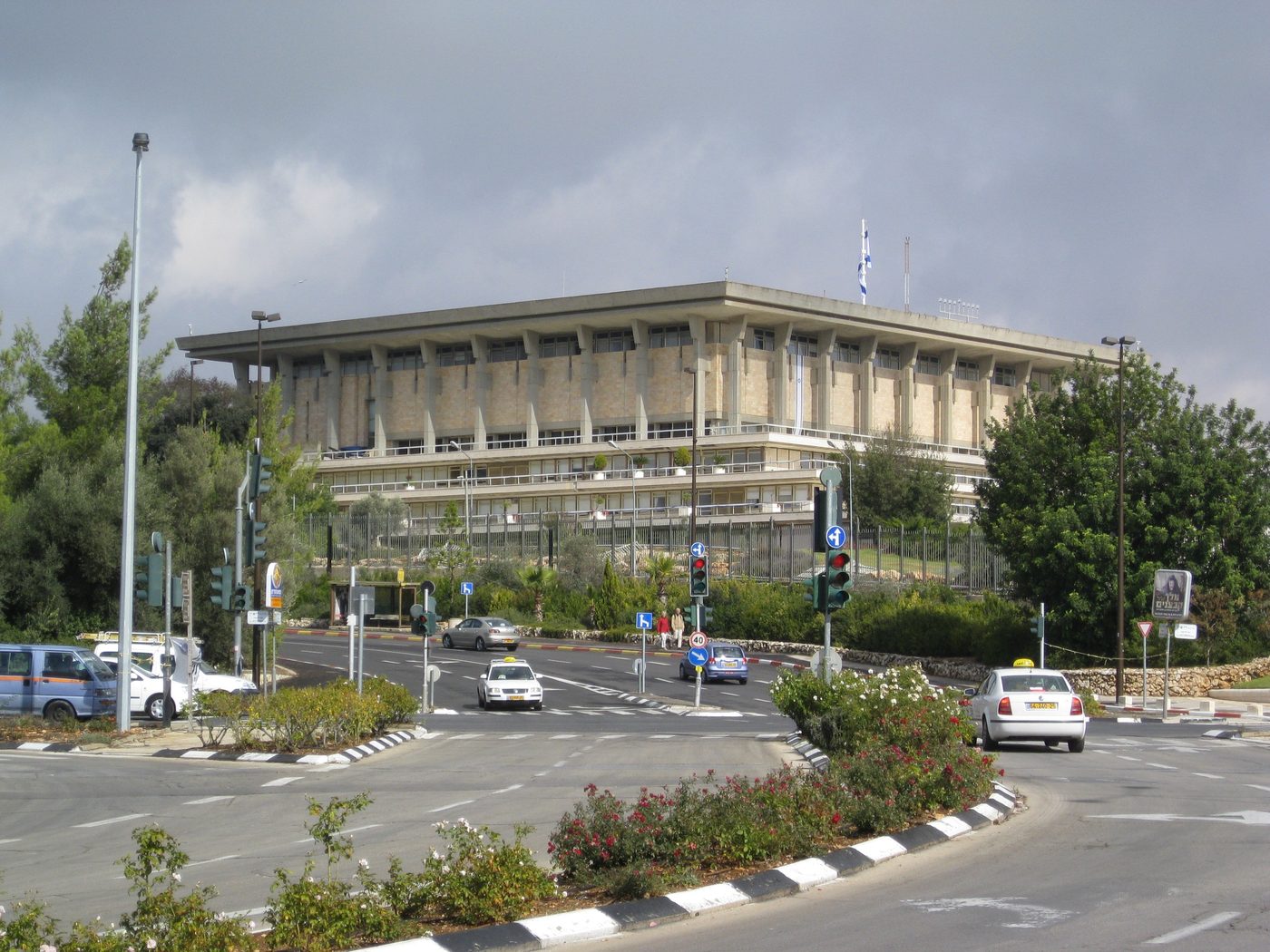
New Israeli parliament is sworn in as coalition talks begin
Israel’s new Knesset was sworn in as opposition leader Gadi Eisenkot began trying to form a government, the BBC, the Guardian, and DW report. His bloc won 48 seats in last month’s election, and Benjamin Netanyahu’s bloc won 53. Neither has a majority.
Israel’s new parliament, the Knesset, has been sworn in, the BBC, the Guardian, and DW report. Opposition leader Gadi Eisenkot, a former army chief, has been asked to form a government, the BBC says. He received more backing from lawmakers than caretaker Prime Minister Benjamin Netanyahu, the BBC reports. Eisenkot’s group of four parties won 48 seats in the October election. Netanyahu’s group won 53. Each is short of a majority in the 120-seat chamber, the BBC reports. Eisenkot has 28 days to build a coalition, with a possible two-week extension, the BBC says.
Shortly after the swearing-in, Netanyahu and Eisenkot each warned lawmakers about the risks of backing a government led by the other, the BBC reports. Eisenkot said he would act for all citizens of Israel, including people who did not vote for him, according to DW. Almost half of the new members did not serve in the last parliament, the BBC reports. Arab-led parties won a record number of seats, the BBC says. The Guardian describes the opposition as moving quickly to try to take control as the new Knesset meets.
DW reports that Eisenkot’s bloc wants an official inquiry into the Hamas-led attacks of October 7, 2023. The opposition also wants term limits for the prime minister, DW says. It wants to roll back the Netanyahu government’s changes to the courts, DW reports. No new government has been completed. Netanyahu remains the caretaker prime minister while talks continue, the BBC and the Guardian report. The new parliament has now formally opened, those outlets say.
Where outlets agree The BBC, the Guardian, and DW report that Israel’s new Knesset has been sworn in and that Gadi Eisenkot has been tasked with forming a government after an election in which his bloc won 48 seats and Benjamin Netanyahu’s bloc won 53, with neither holding a majority.
Where they differ The cited reports agree on the key facts so far.