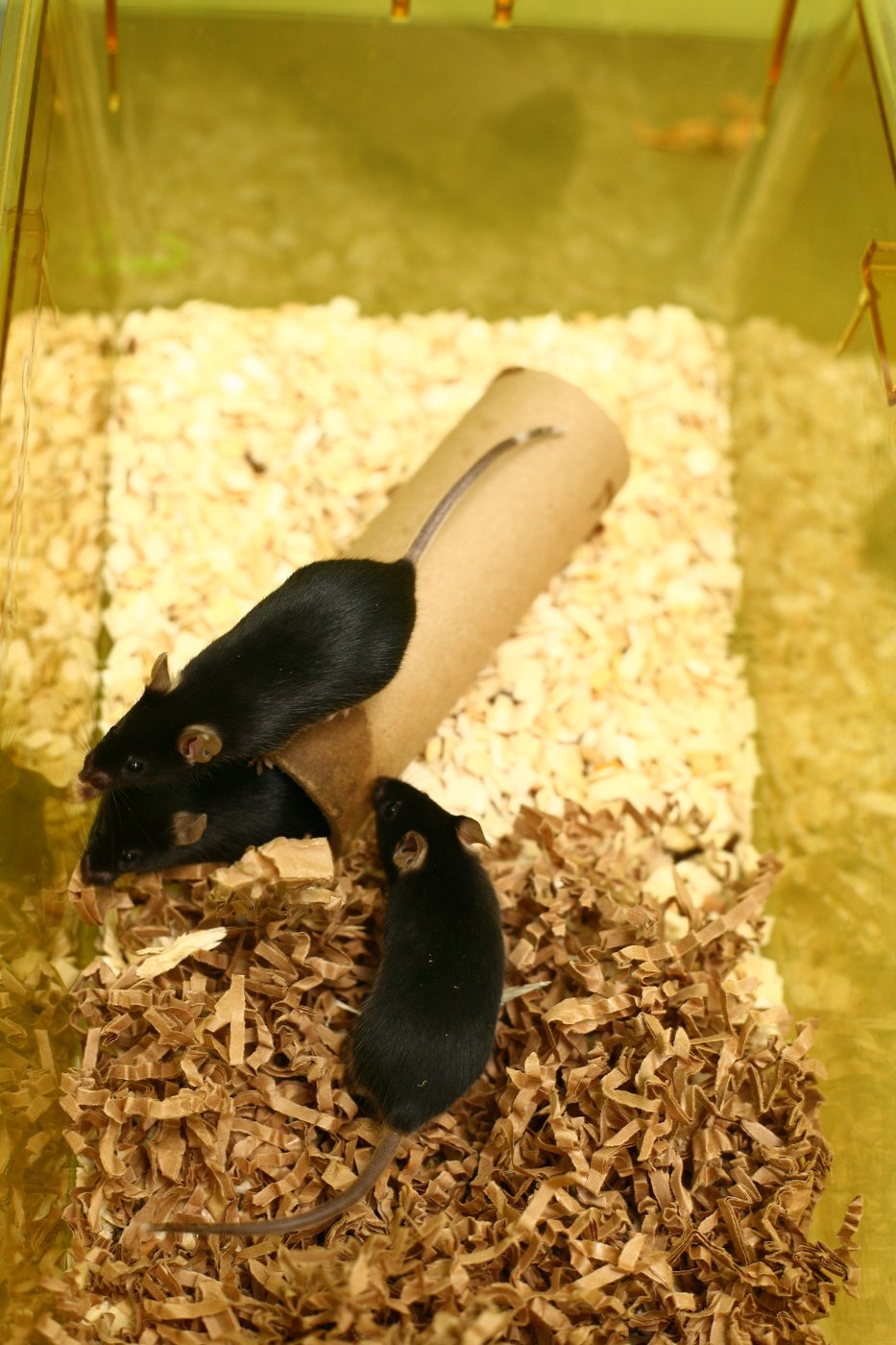
Mice can learn to fight by watching other mice
Mice can learn to fight by watching other mice, a new study finds, NPR and The Debrief report. The paper appears in the journal Nature. An outside expert called the work creative and said it shows how the brain can change after watching.
Mice can learn to fight by watching other mice in cage matches, a new study finds, NPR and The Debrief report. The paper is published in the journal Nature, NPR says. Annegret Falkner, an associate professor at the Princeton Neuroscience Institute, worked on the research, NPR reports. She said mice fight a lot in the wild, form ranks, and defend territory. After watching fights, observer mice became more watchful and more aggressive, NPR reports. Researchers also tracked brain activity in fighters and in watchers.
Moriel Zelikowsky, a neurobiologist at the University of Utah who was not part of the study, called the work “very creative,” NPR reports. She said the findings go beyond simple copying of what an animal sees. They help show how the brain can be reshaped by watching, in ways that may later help an animal, she said. That outside view meets the need for an independent expert on a science card.
The Debrief covers the same Nature study and describes brain patterns in spectator mice that resembled those of fighters. It says the match was not perfect. When spectators watched fights, some brain cells fired in patterns “much like a fighter’s,” The Debrief reports, while still noting limits in that comparison. The two write-ups describe the same core finding: mice can pick up fighting skills by watching.
The reports agree on the journal and on the basic result. They differ mainly in emphasis. NPR leans on the researchers and on the Utah expert. The Debrief leans on the brain-pattern comparison in spectator mice.
What we know: A Nature study finds that mice can learn to fight by watching other mice, according to NPR and The Debrief.
What we don't know: How far the same kind of watching would apply to other animals, including people.
Where outlets agree NPR and The Debrief report that a Nature study found mice can learn to fight by watching other mice, and that observer mice became more aggressive after watching cage matches.
Where they differ NPR quotes an outside expert, Moriel Zelikowsky of the University of Utah, who was not part of the study. The Debrief focuses more on brain activity in spectator mice and says those patterns were similar to, but not the same as, the patterns in fighters.