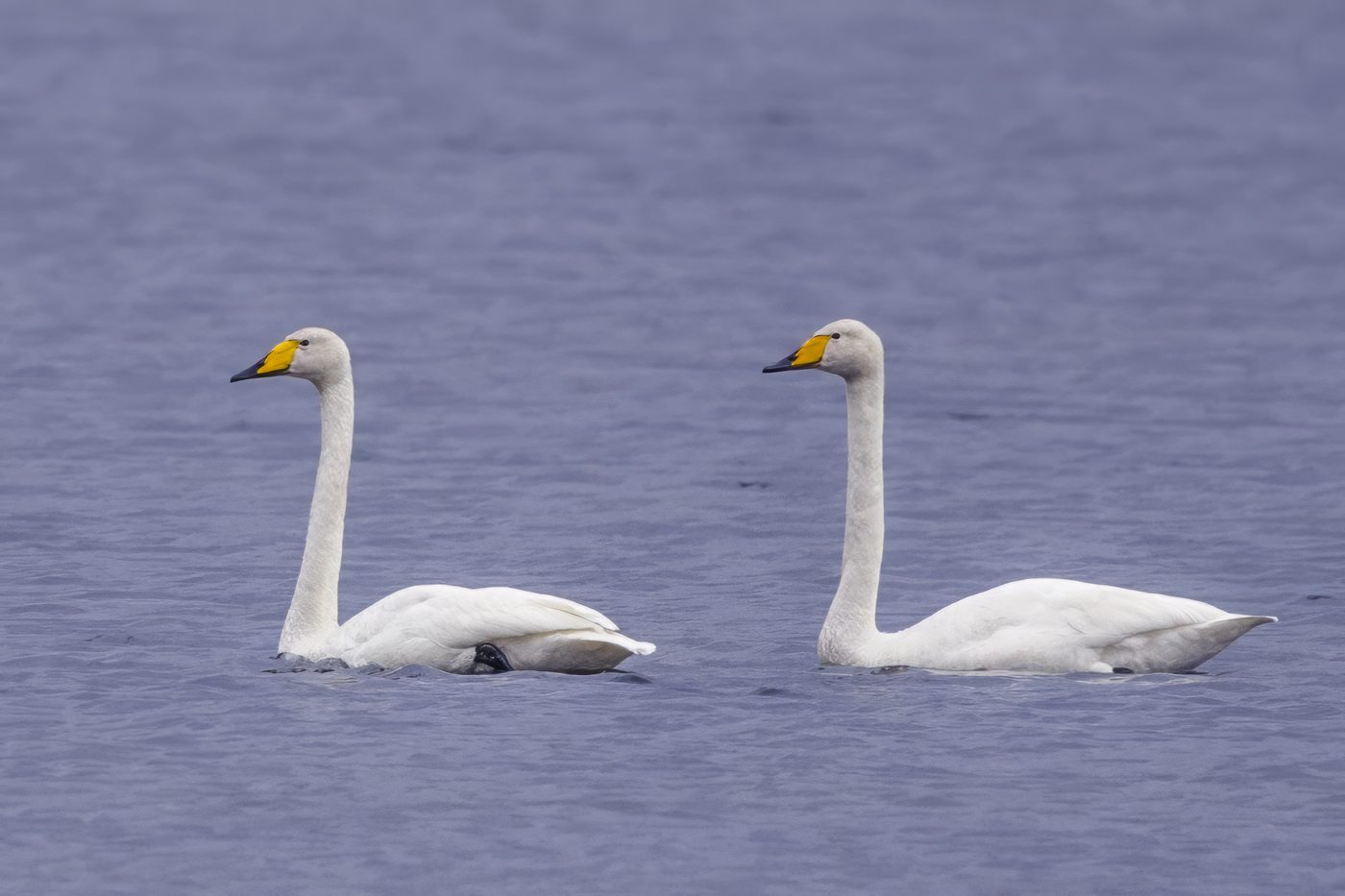
Bird flu die-offs could drive extinctions, scientists warn
According to The Guardian, bird flu has caused mass deaths in wildlife and could drive extinctions of some species. In April, the IUCN downgraded the southern elephant seal from least concern to vulnerable. Scientists say the scale of the deaths is unprecedented.
According to The Guardian, a highly infectious strain of bird flu, H5N1, has caused catastrophic die-offs in wildlife. The paper says a wave of extinctions could follow. It describes how the virus reached southern elephant seals on the sub-Antarctic island of South Georgia after migratory brown skuas arrived in 2023. Mothers and newborn pups became sick. They were weak and short of breath.
By 2025, The Guardian reports, more than 53,000 female elephant seals had died on South Georgia. Scientists say that is especially alarming. The island is home to more than half of the global breeding population. The strain began circulating in the northern hemisphere in 2021. It has now spread to four of the five main southern elephant seal populations. In some South Atlantic colonies, more than 90 percent of newborn pups have died. About half of all adult females have died as well. Ruth Cromie coordinates a UN taskforce on avian influenza and wildlife. She called it a horror show for wildlife. She said the scale of mortality is unprecedented.
In April, the IUCN Red List downgraded the southern elephant seal by two categories, from least concern to vulnerable. The Guardian says it was the first time a species had its extinction risk raised explicitly because of H5N1. The listing notes that scientists suspect the global population has declined by nearly a third. Models suggest many populations will take decades to recover. So far, few antibodies have been found among surviving animals. The southern elephant seal is one of many species hit since H5N1 began spreading, killing hundreds of thousands of animals, if not millions. BirdLife International says the virus is now a threat to at least 40 bird species. No other animal has yet had its conservation status changed for this reason, the paper says. Scientists warn that does not mean there is no wider risk. Rob Martin, a senior red list officer at BirdLife International, cautions against "kneejerk" uplisting after a mass die-off, The Guardian reports. He says listings can trigger funding proposals and divert government spending.
Only The Guardian has reported this so far; NewsHabit hasn't seen independent confirmation.
What we know: H5N1 has killed large numbers of wild animals, and the IUCN has already moved the southern elephant seal to vulnerable, The Guardian reports. What we don't know: Which other species, if any, will be uplisted in the next red list update.
Where outlets agree The Guardian reports that H5N1 has caused mass wildlife deaths and that the IUCN lowered the southern elephant seal to vulnerable.
Where they differ The Guardian's report raises the prospect of a wave of extinctions, while BirdLife International's Rob Martin cautions against "kneejerk" uplisting of species after a mass die-off.