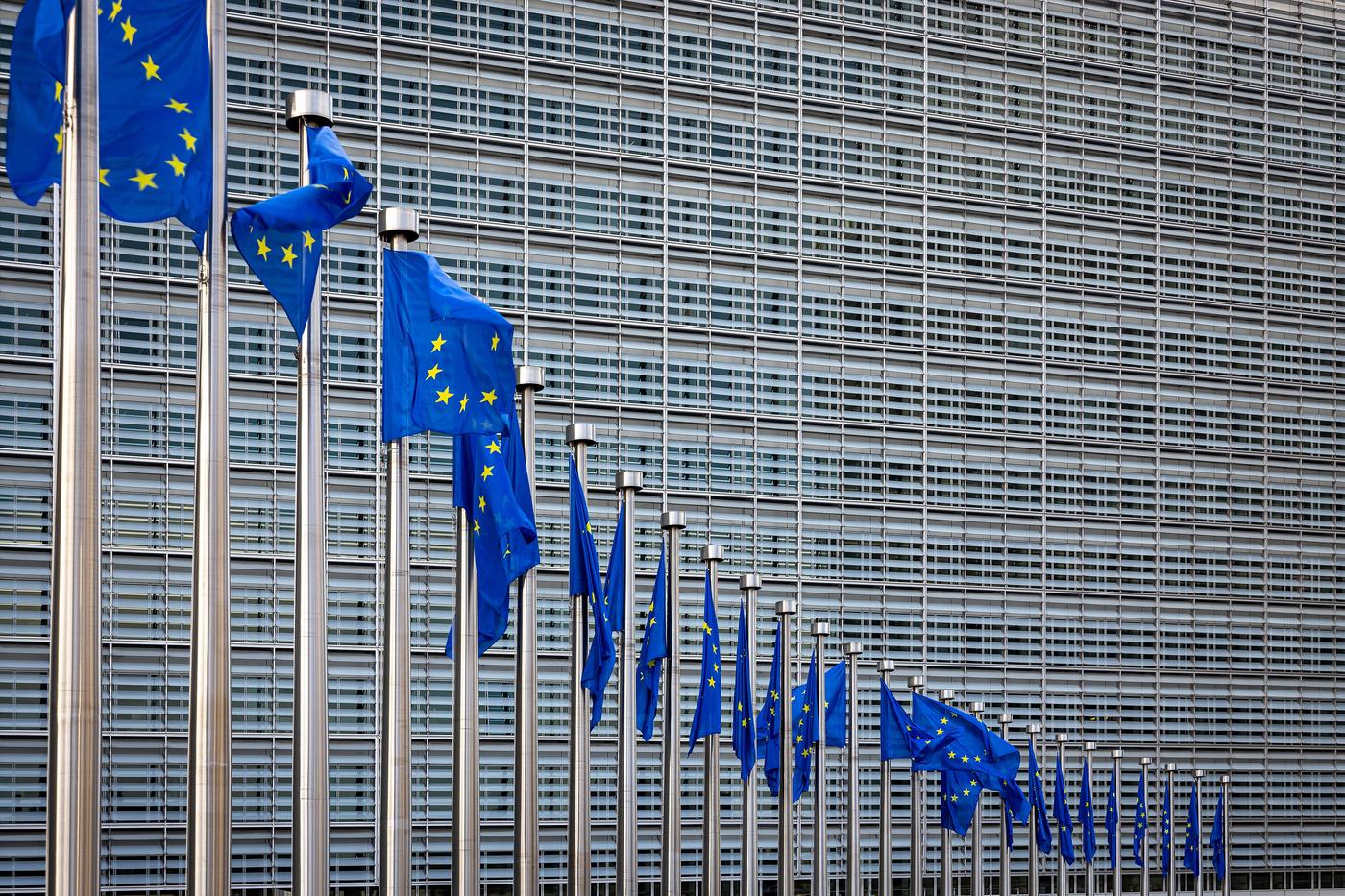
EU proposes a crackdown on loot boxes and dark patterns
The European Commission proposed a Digital Fairness Act on Wednesday to curb loot boxes, influencer marketing and addictive app design, The Verge and Engadget report. The draft would ban loot-box style features for minors. Engadget says firms could face fines of up to 6% of global revenue.
The European Commission on Wednesday published a draft Digital Fairness Act. The Verge and Engadget report that it aims to make online shopping and browsing fairer. The plan would ban so-called dark patterns and require clear prices. It would also restrict tools that push people to spend more time and money online. It would ban gambling-like features such as loot boxes for minors, the two accounts report. Engadget says companies that break the rules could face fines of up to six percent of global revenue.
The Verge says users would be able to turn off addictive features such as endless scrolling, autoplay and repeated prompts, including in AI chatbots. Influencers would have to clearly mark paid content. Subscriptions would be easier to cancel. Companies would have to show real-time prices in virtual queues for tickets. The Commission said firms could save consumers up to 13.7 billion euros a year, The Verge reports. EU justice commissioner Michael McGrath said the aim is not to make it harder to do business, but to make it harder to do business unfairly.
Engadget also notes the planned limits on influencer marketing and addictive design. The Verge says some gaming groups have already called limits on virtual currencies, loot boxes and micro-transactions for minors “unworkable, unjustified and disproportionate.” The draft still has to go through the European Parliament and EU governments, The Verge notes. The measures could change before any law takes effect.
What we know: The Commission proposed new consumer rules covering loot boxes, dark patterns and influencer ads, according to The Verge and Engadget. What we don’t know: What will survive the lawmaking process, and when, if ever, the act would apply.
Where outlets agree The Verge and Engadget report that the European Commission proposed a Digital Fairness Act that would curb dark patterns and limit loot-box style features for minors.
Where they differ The cited reports agree on the key facts so far.