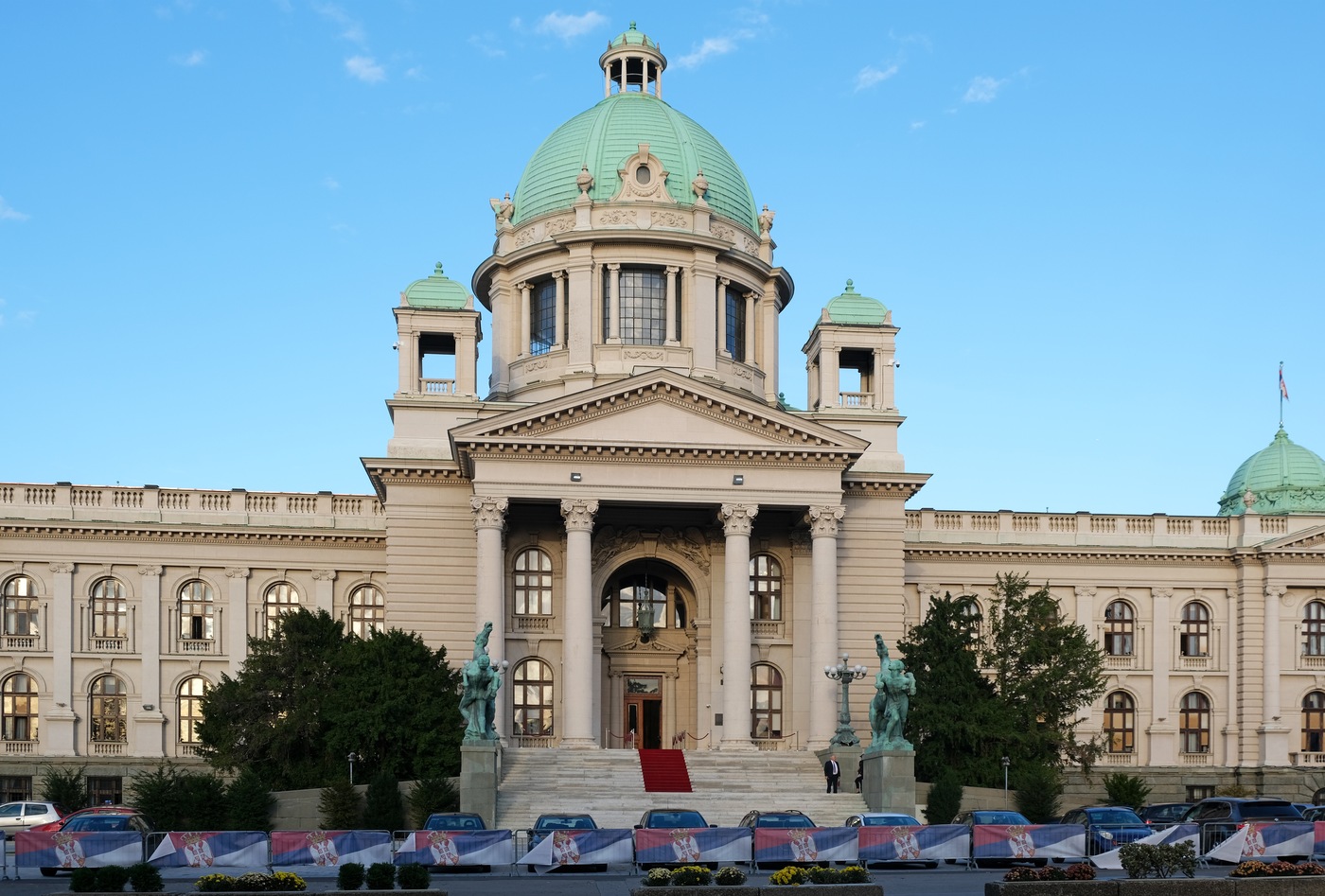
Serbia's leaderless student movement faces the test of governing
According to The New York Times, Serbia's student movement now faces a hard question after defeating Aleksandar Vucic's party: can it run a country? The students had no leader and no party. They chose candidates by raising hands in campus meetings.
According to The New York Times, Serbia's student movement now faces a hard question after defeating Aleksandar Vucic's party: can it run a country? The students had no leader and no party. They chose candidates by raising hands in campus meetings.
A slate of candidates picked by students won the general election on October 25, the Times reports. They beat the political machine of Vucic, Serbia's strongman leader. Established opposition parties had failed to do that for more than a decade.
Vucic had resigned as president a month before the vote, the Times reports. He bet that his party would win and that he could keep power as prime minister, a post he had held twice before.
The students made decisions by raising their hands after hours of debate in university classrooms, the Times says. The process was slow, but it proved effective at the ballot box.
Nearly all of the candidates are political novices with a wide range of views, some of them at odds, the Times reports. They were united by one goal: removing Vucic and the system he built.
The ideas that carried the students to victory may not be enough on their own to build a working, lasting government, the Times reports. Some believe their approach could hold lessons for democratic movements in other countries.
Only The New York Times has reported this so far; NewsHabit hasn't seen independent confirmation.
What we know: The student movement that beat Vucic's party is now trying to work out how to govern, the Times reports. What we don't know: Who will lead the new government, and whether a second outlet will confirm the report's account. None has so far.
Where outlets agree The New York Times reports that Serbia's leaderless student movement, which won the October election, now faces questions about whether it can govern.
Where they differ The New York Times report does not include comment from Vucic or his party.