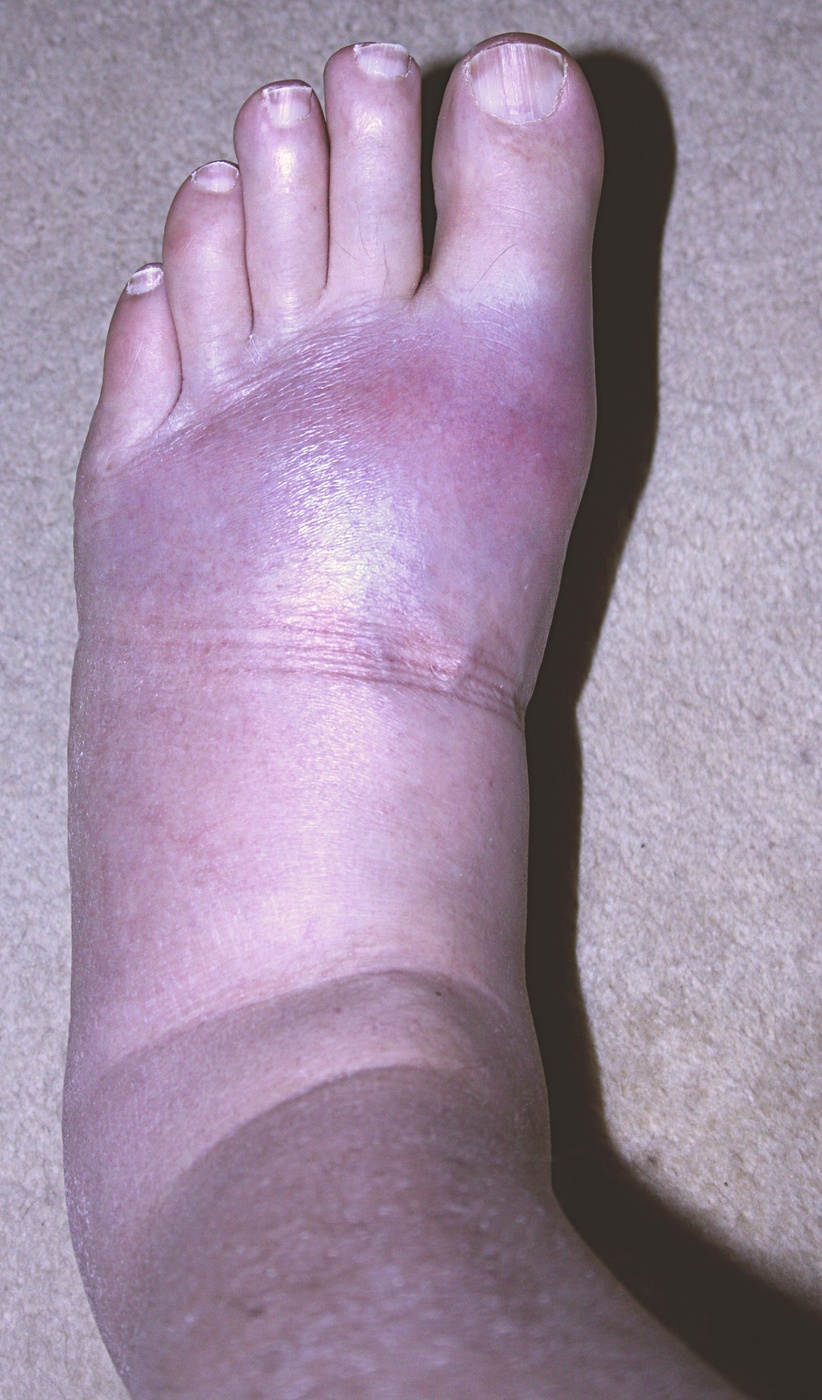
Gout is on the rise, but sufferers still face stigma
According to The Guardian, gout is becoming more common, yet people with the painful joint condition are still judged for it. About 1.6 million people in the UK have gout, the paper reports. The stigma can keep people from seeking treatment, the paper says.
According to The Guardian, gout is becoming more common, yet people with the painful joint condition are still judged for it. About 1.6 million people in the UK have gout, the paper reports. The stigma can keep people from seeking treatment, the paper says.
Gout is the most common form of inflammatory arthritis, The Guardian reports. It happens when high levels of uric acid in the blood form sharp crystals in the joints, the paper says. Most people have their first attack in the big toe.
Gout affects 2% to 4% of people in the UK, Europe and the US, The Guardian reports. Worldwide, new cases are expected to rise by 70% from 2020 to 2050, mostly because populations are growing and aging, the paper says. "There are reports coming in suggesting that the age of people developing gout is coming down," said Lucy Donaldson of Arthritis UK, according to The Guardian.
Gout has long been seen as a disease of rich food and drink, The Guardian reports. Brett McAllister-Byrne, who first had gout in his early 30s, says people compare him to Henry VIII. He is mostly vegetarian and doesn't drink regularly, the paper says. He thinks he inherited it from his father.
"Moderate wine consumption doesn't really increase your risk," said rheumatologist Edward Roddy, according to The Guardian. He said the risk is greatest with beer.
Drugs that lower uric acid can keep new crystals from forming, The Guardian reports. But some patients get too low a dose, and many stop treatment once the pain fades, the paper says.
Only The Guardian has reported this so far; NewsHabit hasn't seen independent confirmation.
What we know: Gout is common and expected to rise, and stigma and weak follow-up can hold back treatment. What we don't know: Whether new guidance will change how doctors treat it, and whether a second outlet will report on the trend. None has so far.
Where outlets agree The Guardian reports that gout is rising and that people with the condition still face stigma that can keep them from treatment.
Where they differ The Guardian's report is a feature based on interviews with doctors, researchers and patients.