Specially bred mosquitoes cut dengue infections in Brazil study
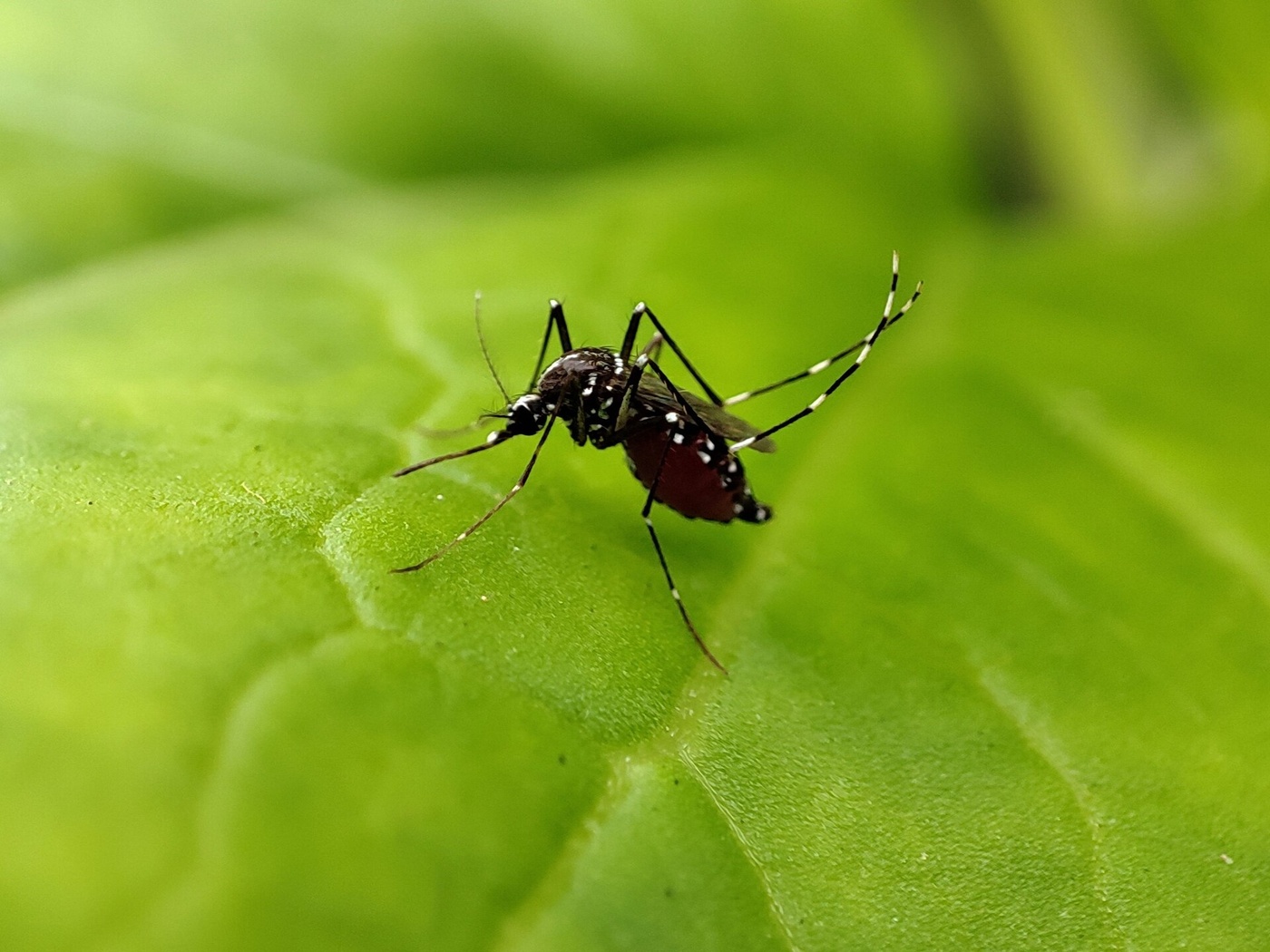
According to the Associated Press, children in parts of Brazil with specially bred mosquitoes were far less likely to catch dengue or chikungunya. Researchers found about a 69% drop in those infections. The mosquitoes carry a germ called Wolbachia that makes it hard for them to spread the viruses.
According to the Associated Press, children in parts of Brazil with specially bred mosquitoes were far less likely to catch dengue or chikungunya. Researchers found about a 69% drop in those infections. The mosquitoes carry a germ called Wolbachia that makes it hard for them to spread the viruses.
The study followed more than 5,700 children in Belo Horizonte, Brazil, over four years, the AP reports. The drop held up even during Brazil's severe dengue outbreak in 2024, said Sri Edupuganti of Emory University, part of the research team, according to the AP.
Half of the neighborhoods were picked at random to have the mosquitoes released, the AP reports. All of them got the same pesticide and other mosquito control steps, the AP says. Researchers tested blood for signs of dengue, chikungunya and Zika, the AP reports. There were too few Zika cases to measure any effect, it says.
The bacteria are harmless to people, the AP says. Female mosquitoes pass them to their young, so the trait spreads through the local mosquito population over time, the AP explains.
"This is really exciting," said David Hamer, a global health expert at Boston University who was not part of the study, according to the AP. He said the approach could "knock dengue down to much lower levels" in many places, the AP reports.
The findings were presented at a meeting of the American Society of Tropical Medicine and Hygiene, the AP says. Florida has had more than 650 locally caught dengue cases, the AP reports.
What we know: A large Brazilian study found Wolbachia mosquitoes cut dengue and chikungunya infections in children by about 69%. What we don't know: Only the Associated Press has reported this so far; NewsHabit hasn't seen independent confirmation.
Where outlets agree The AP reports that a study in Brazil found specially bred mosquitoes cut dengue and chikungunya infections in children by about 69%.
Where they differ The AP's account includes no response from the World Mosquito Program, which pioneered the method.